Introduction
Nasal fractures are breaks or cracks in the bones of the nose. These injuries are common and can happen to anyone. Because the nose sticks out from the face, it is easy to injure. Early care is important. If left untreated, nasal fractures can cause breathing problems or change how your nose looks. Knowing the signs and what to do helps you get the right care. Many people search for “nasal fracture symptoms” and “how to treat a broken nose” after an injury. This guide explains what you need to know about nasal fractures.
Symptoms of Nasal Fractures
After a nose injury, you may notice several symptoms. Some signs appear right away, while others develop later. Recognizing these symptoms helps you decide when to seek help. Common symptoms include:
However, not all symptoms mean a fracture. If you notice these signs, it is best to get checked by a doctor.
Common Causes
Nasal fractures often result from direct hits to the nose. Many daily activities can lead to this injury. For example, accidents at home or during sports are frequent causes. Here are some common reasons:
Because the nose is exposed, even a small impact can cause a fracture. Wearing protective gear during sports can help lower your risk.
Diagnosis Methods
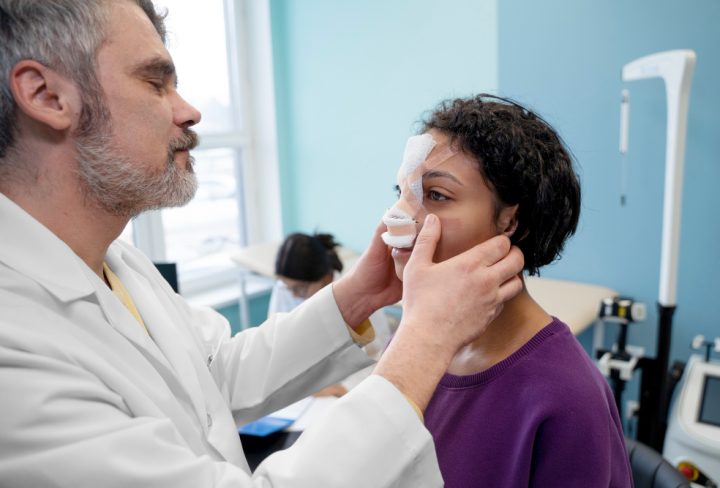
Doctors use several methods to diagnose nasal fractures. First, they ask about how the injury happened. Then, they examine your nose and face. During the exam, they check for swelling, bruising, and shape changes. Sometimes, doctors gently press the nose to feel for movement or crunching. In some cases, they may order tests, such as:
Most nasal fractures can be diagnosed with a physical exam alone. However, imaging helps if the injury is complex or if surgery may be needed.
Treatment Options
Treatment for nasal fractures depends on how serious the injury is. Many people want to know “how to treat a broken nose” at home. While some mild cases heal with simple care, others need medical help. Treatment options include:
For best results, see an ENT specialist for nasal injuries. They can guide you on the right treatment and help prevent long-term problems.
Prevention Tips
Although accidents can happen, you can lower your risk of nasal fractures. Here are some tips to help protect your nose:
By following these steps, you can help keep your nose safe from injury.
When to See a Doctor
Sometimes, a nasal fracture is mild and heals on its own. However, you should see a doctor if you notice:
Early care from an ENT specialist for nasal injuries can prevent problems. Do not wait if you have any of these symptoms.
Conclusion
Nasal fractures are common but treatable. Knowing the symptoms, causes, and treatment options helps you take quick action. If you suspect a broken nose, do not ignore it. Consult an ENT specialist for personalized guidance.